The Bayreuth Festival - Bayreuther Festspiele
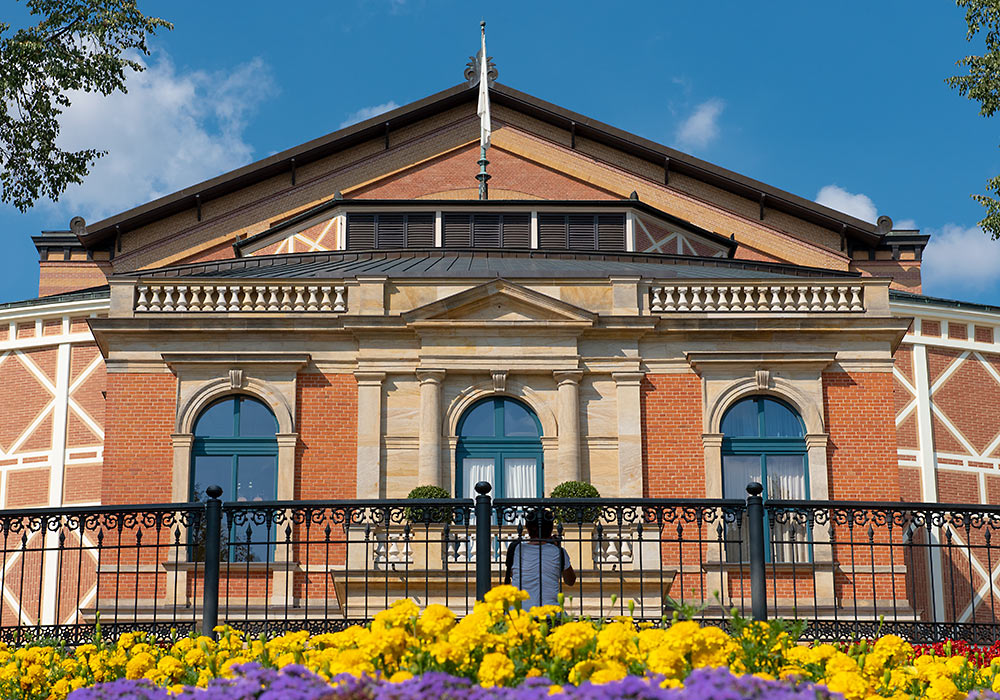
The Festspielhaus in Bayreuth.
Bayreuth Festival 2024
For the first time in the history of the Bayreuth Festival, there will be more female than male conductors in the pit. In 2024, Simone Young will conduct the Ring, stepping in for Philippe Jordan, who unfortunately had to cancel. The lineup for this year also includes Oksana Lyniv, Nathalie Stutzmann, Semyon Bychkov, and Pablo Heras-Casado. With Simone Young, a female conductor will lead the tetralogy in Bayreuth for the first time. Engaging her had been a longstanding aspiration for the artistic director, but prior commitments had prevented an earlier collaboration.
The Bayreuth Festival 2022 - Reviews by Mark Berry and Sam Goodyear
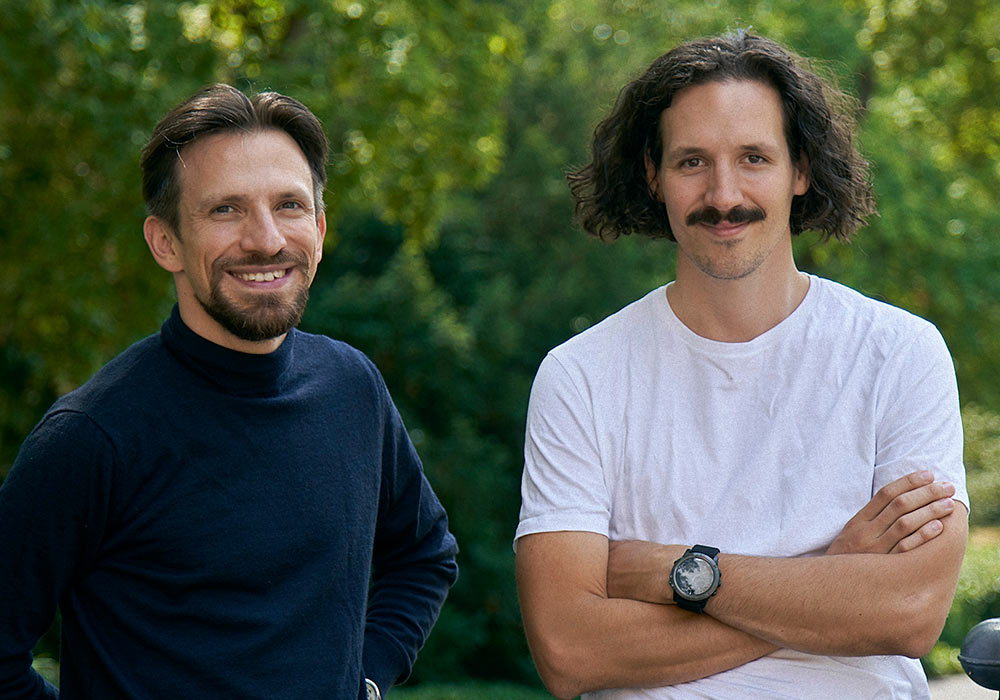
Cornelius Meister and Valentin Schwarz. (Photo: Enrico Nawrath, Bayreuter Festspiele)
→ Das Rheingold (Valentin Schwarz / Cornelius Meister) - Bayreuth Festival 2022
→ Die Walküre (Valentin Schwarz / Cornelius Meister) - Bayreuth Festival 2022
→ Siegfried (Valentin Schwarz / Cornelius Meister) - Bayreuth Festival 2022
→ Götterdämmerung (Valentin Schwarz / Cornelius Meister) - Bayreuth Festival 2022
Forthcoming years: Semyon Bychkov and Daniele Gatti to return to Bayreuth
Semyon Bychkov will conduct a new production of Tristan und Isolde in 2024
Gatti will conduct a new production of Die Meistersinger von Nürnberg in 2025
Pablo Heras-Casado will conduct the new production of Parsifal
Nathalie Stutzmann will conduct the Tannhäuser revival
Oksana Lyniv – the first female conductor at Bayreuth
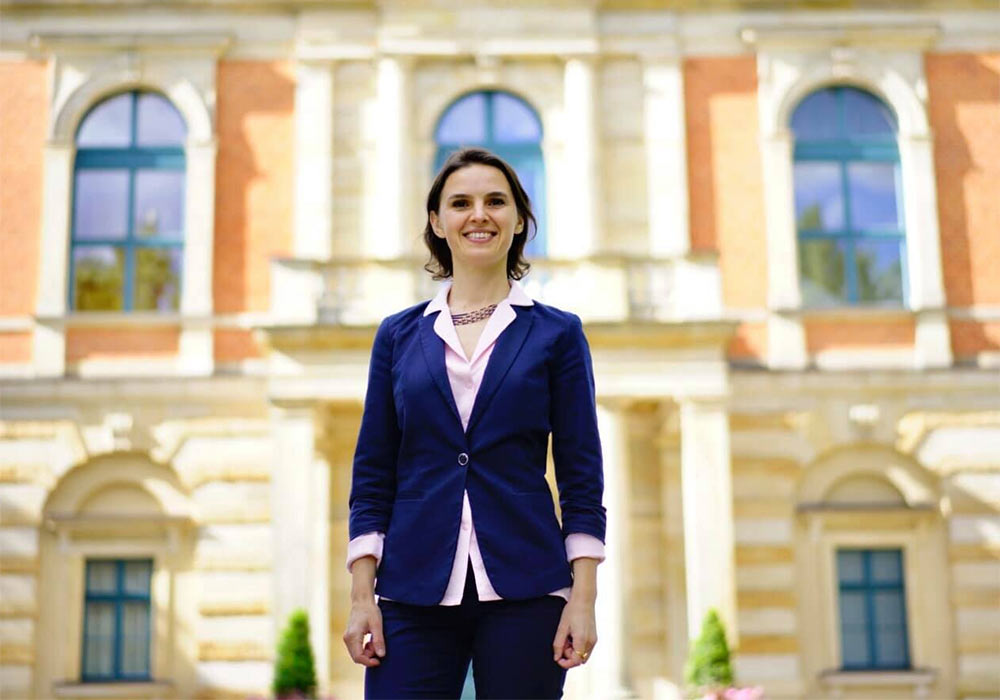
Oksana Lyniv in front of the Festspielhaus. Photo: Serhiy Horobets
Oksana Lyniv was the first female conductor at Bayreuth since the festival was founded. She conducted Der fliegende Holländer in 2021 and 2022.
The acoustics
"I've learned to ignore acoustics because I have to sing in so many different environments. But the acoustic here really is better than anywhere else. When you start to sing, you have the feeling that the voice is just spreading freely in the auditorium. In other opera houses you have to sing over the orchestra, which is positioned between you and the audience. With its covered orchestra pit, Bayreuth is a luxury." (Piotr Beczala to DW.com)
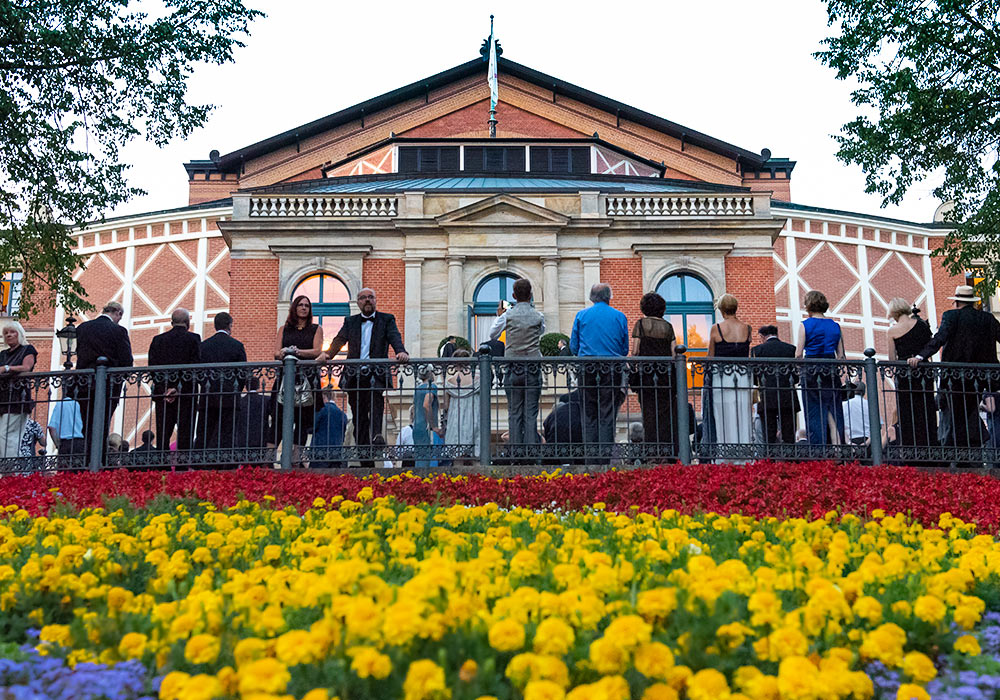
Festspielhaus Bayreuth 2018. Photo: Per-Erik Skramstad
“When I need my Bayreuth ears, I have to cut my normal ears off, and then someone puts the new ears on,” said Mr. Thielemann, who tends to speak poetically. “At the end of the summer, the new ears are cut off, and then I have my old ears back.” (Christian Thielemann in The New York Times)
"Bayreuth’s special and much praised acoustic is actually only fully functional in Parsifal. It is certainly also one of the reasons why Wagner uses a style that is far closer to chamber music for this work. In the earlier pieces, composed for other stages, but also in the Ring, which elaborates far denser structures than Parsifal, and especially in Die Meistersinger too, one is aware that the Bayreuth acoustic is by no means ideal since it blurs the contrapuntal element of these works."
Hartmut Haenchen
Previous years
Bayreuth Festival 2017 Reviews
Ring Productions at the Bayreuth Festival
The Bayreuth Festival 2017 Reviews
Mark Berry: Die Meistersinger von Nürnberg (Kosky/Jordan)
Sam Goodyear: Die Meistersinger von Nürnberg (Kosky/Jordan)
Mark Berry: Parsifal (Laufenberg/Haenchen)
Mark Berry: Das Rheingold (Castorf/Janowski)
Mark Berry: Die Walküre (Castorf/Janowski)
Mark Berry: Siegfried (Castorf/Janowski)
Mark Berry: Götterdämmerung (Castorf/Janowski)
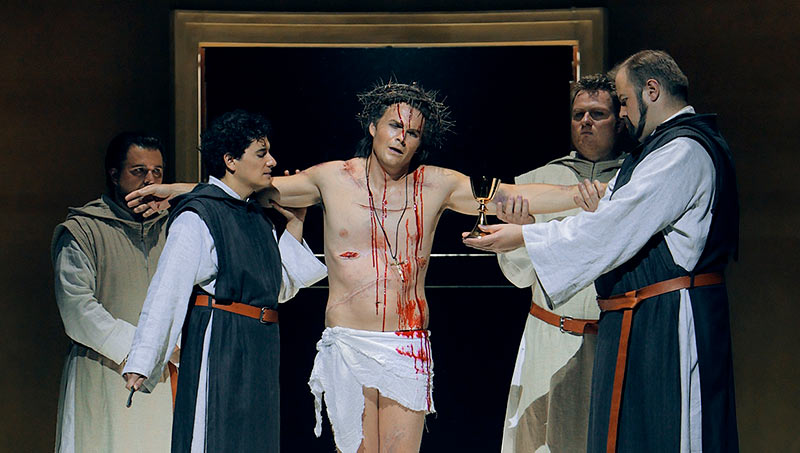
Ryan McKinny as Amfortas in Uwe Eric Laufenberg's production of Parsifal.
Photo: Enrico Nawrath / Bayreuth Festival
The Bayreuth Festival, 2016
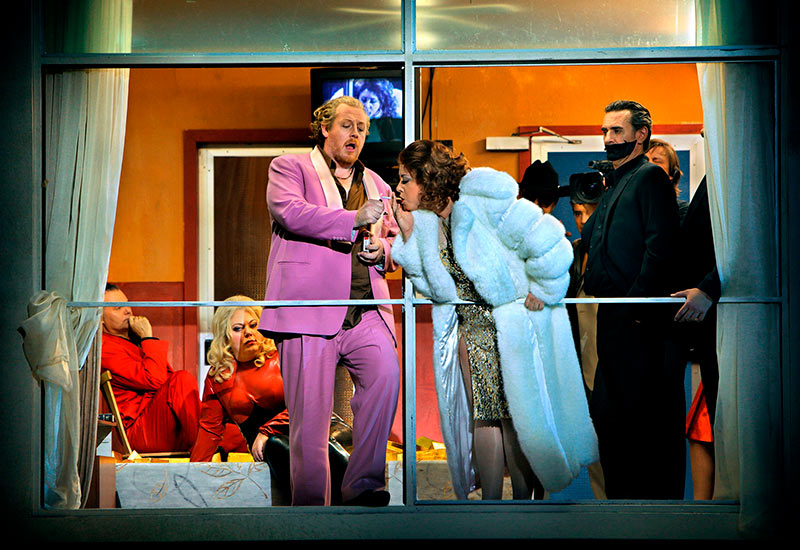
Das Rheingold (Castorf / Janowski), Bayreuth Festival, 2016
Die Walküre (Castorf / Janowski), Bayreuth Festival, 2016
Siegfried (Castorf / Janowski), Bayreuth Festival, 2016
Götterdämmerung (Castorf / Janowski), Bayreuth Festival, 2016
Tristan und Isolde (K. Wagner / Thielemann), Bayreuth Festival, 2016
Parsifal (Laufenberg / Haenchen), Bayreuth Festival, 2016
1876
The Richard Wagner Festival in Bayreuth was opened in 1876 with three performances of the complete Ring. It took six years before the next Festival could take place. In 1882 only Parsifal was played (16 performances).
In 1951 the Festival reopened after the war. Wieland and Wolfgang Wagner were joint leaders until Wieland's death in 1966. Since then Wolfgang Wagner has been artistic supervisor and leader of the Festival.
"I have never come across an audience with so much hatred, so much anger, such a thirst for revenge. They take everything personally. It makes you a little bit scared, and it's really quite terrifying." (Lance Ryan on the audiences at Bayreuth)
Conducting at Bayreuth
"Bayreuth’s special and much praised acoustic is actually only fully functional in Parsifal. It is certainly also one of the reasons why Wagner uses a style that is far closer to chamber music for this work. In the earlier pieces, composed for other stages, but also in the Ring, which elaborates far denser structures than Parsifal, and especially in Die Meistersinger too, one is aware that the Bayreuth acoustic is by no means ideal since it blurs the contrapuntal element of these works."
Hartmut Haenchen
Singing at Bayreuth
"What’s wonderful here [in Bayreuth] is that you can hear yourself both at the front and the back of the stage. It isn’t always like this in concert halls and opera houses. There can be a very dry acoustic, but that isn’t the case at Bayreuth. Sometimes the orchestra is incredibly loud and that’s when it’s important to take care not to exert yourself too much. You have to be focused. It’s the conductor’s job to quieten the orchestra if it’s too loud. Singing too loudly is the worst thing you can do." (Irène Theorin in interview with Per-Erik Skramstad)
The conductor at Bayreuth is depending on a tight collaboration with his assistants in the auditorium.
Parsifal Conductors at the Bayreuth Festival
Tannhäuser Conductors at the Bayreuth Festival
Tristan und Isolde Conductors at the Bayreuth Festival
Bayreuth Backstage - Enrico Nawrath presents behind the scene photos from the Bayreuth Festival
Bayreuth Festival official photographer Enrico Nawrath has published a book with photographs from the Bayreuth Festival, "Bayreuth Backstage", published by Schott Music. The photos take us backstage to show us what goes on when preparations are made for the Festival and its productions.
The world on stage is a distant, magical world for us spectators. Here the drama unfolds: betrayal, love, death, redemption, longing and suffering.
For me, the world behind the stage - the everyday world of the stage workers, technicians, hair dressers, wigmakers, lightning workers, make-up artists etc. is just as mysterious. Together these people create all the details we in the auditorium take for granted. We often forget the enormous amount of work behind a production.
Enrico Nawrath takes us backstage to this hidden world of preparations and rehearsals. The high quality photographs are well selected and gives a great impression of what goes on backstage at Bayreuth. Katharina Wagner has written a foreword.
Bayreuth Backstage - for your eyes only
In co-operation with Bayreuth Festival photographer Enrico Nawrath, Wagneropera.net presents a selection of photographs from Nawrath's book "Bayreuth Backstage". The photos have been displayed at an exhibition at Künstlerhaus Spiekeroog. The book, published by Schott Music, gives a unique view of the Bayreuth Festival behind the scenes.
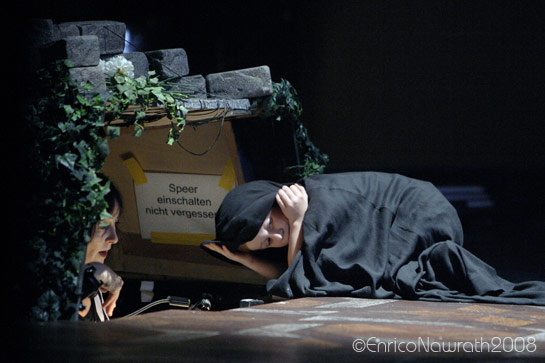
Den heil'gen Speer - ich bring' ihn euch zurück! The prompter and Parsifal as a boy. The prompter Ute Gherasim is also responsible for some of the props being used in Stefan Herheim's production.
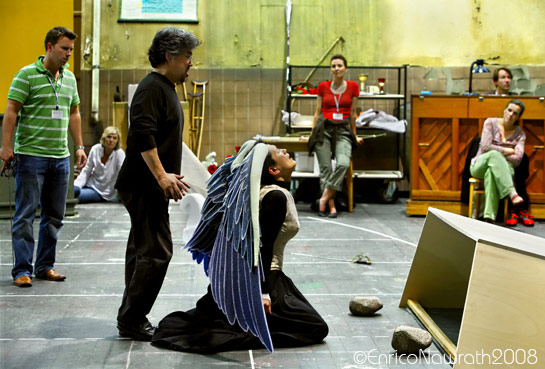
Was tat dir das Weib? Es sagte wahr; denn nie lügt Kundry, doch sah sie viel. Kwangchul Youn (Gurnemanz) and Mihoko Fujimura (Kundry) in front of the prompter's box. Timothy Oliver (4. Knappe) to the left. Rehearsals for Stefan Herheim's Parsifal production.
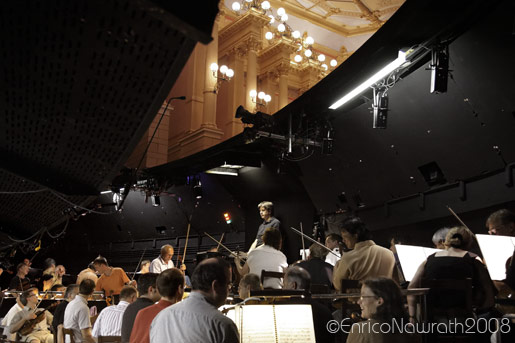
Im Grabe leb ich durch des Heilands Huld: The mysterious orchestra pit at Bayreuth. Conductor Sebastian Weigle preparing for Die Meistersinger von Nürnberg.
Before Stefan Herheim's Parsifal production the orchestra pit was completely invisible to the audience. In this production a gigantic mirror was lowered slowly from the roof so that the conductor and the orchestra could be seen.
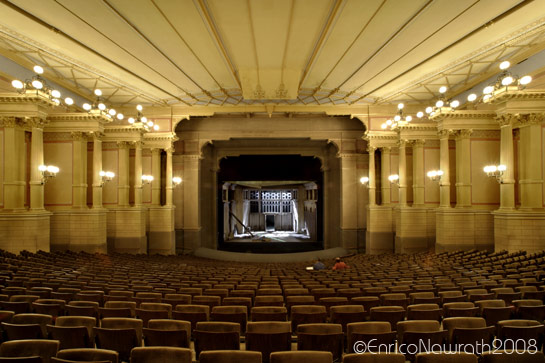
Heilig ist mein Herd; heilig sei dir mein Haus: The auditorium seen from the "Königsloge" during a light rehearsal for Die Walküre, Act 1 (director: Tankred Dorst).
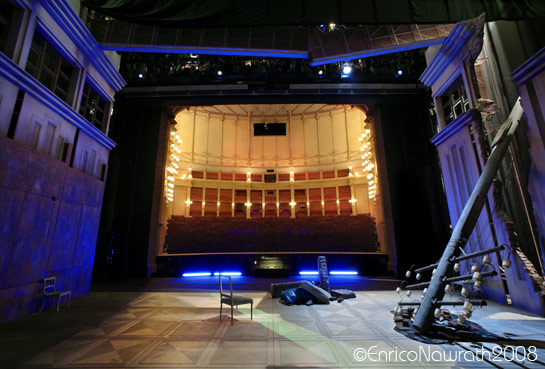
The reversed view: The auditorium seen from the stage during a light rehearsal for Die Walküre, Act 1 (director: Tankred Dorst).
Buy the book here
All photographs published with permission. Copyright: Enrico Nawrath. Thanks to Enrico Nawrath and Katharina Wagner.
Enrico Nawrath and Bayreuther Festspiele
 Visit Enrico Nawrath's Homepage
Bayreuther Festspiele Homepage
Andrew Shore on Bayreuth
Andrew Shore to Jim Pritchard / Seen and Heard
I think they achieve tremendous things here. I saw Stefan Herheim’s Parsifal production and although it is not an opera I know particularly well and so didn’t understand everything the director was doing with it, I could see how it all related in some way to the text. It was almost cinematographic with the stage pictures changing as the text moved through. It was very good considering the shortage of rehearsal time you get on stage here. There are seven productions to put on and so there are seven first nights almost in a row and it leaves very little stage time for each one.
Andrew Shore to Jim Pritchard / Seen and Heard
Andrew Shore interview with musicalcriticism.com
"I'm back in Bayreuth in the summer doing Alberich in
the ongoing Ring, and I may be back in the following summer or two, I'm
not sure. I always enjoy working there – of course, it all boils
down to who you're working with but it's a wonderful place to sing. The orchestra is
miraculous, absolutely superb. The conductor of the
current Ring, Christian
Thielemann, is also superb – he really knows the music inside
out."
Andrew Shore in an interview with musicalcriticism.com (6 April 2008)
Andrew Shore on Singing at Bayreuth (The Guardian)
"Every night before I go on stage I have a sense of how special is it to be at Bayreuth and how privileged I am to be part of this tradition. Acoustically, it's pretty much the ideal theatre to sing in. You never feel you are battling against a loud orchestra, and can use the full dynamics of your range and explore vocal colours, while at epic moments, you can also really let rip. There's lots more to Alberich than bombast and the big nasty moments: here, I can explore the part's subtlety and lyricism.
The audience don't actually see the orchestra or the conductor. A hood covers the pit, and it feels as if the music is coming up from a soundbox under the stage. This makes for a wonderful atmosphere, especially at the beginning of Rheingold – the music emerges almost imperceptibly out of the darkness. It's a perfect way to experience it – you can see exactly what Wagner had in mind. But that's part of the specialness of the place – the musicianship, which is of a supremely high level. On the other hand, the fact that it's Bayreuth is not necessarily a guarantee of a consistent level of quality of production and design. I came here five years ago anticipating that I would be confronted with something really challenging and exciting, so it was a bit of a letdown to find myself part of Tankred Dorst's current Ring Cycle, which tells the story in a straightforward and unadventurous manner. But whatever the production, the audiences are absolutely devoted and attentive, and reserve their judgments for the end. Which can be devastating – they're not afraid to express their opinions!
Bayreuth is a very pleasant town. I always describe it as a cross between Stroud and Harrogate. Some streets are named after the operas. That's quite amusing, but I'm not sure I'd want to live in Walküre street myself."
Andrew Shore to The Guardian (The Battle for Bayreuth)
Bayreuth city and surroundings
Bayreuth is a small city in the middle of Germany. The city is known all over the world for the annual Richard Wagner Festival at the Festspielhaus.
The city tries to de-emphasize its relation to the Festival to have an identity based on other qualities (the University for instance), but to most foreigners Bayreuth would not have very exciting had it not been for Villa Wahnfried and the Festspielhaus. Apart from these, the most interesting places to visit are Margrave's Opera House (one of the finest Baroque theatres in Europe) and the park of Eremitage and Old Castle.
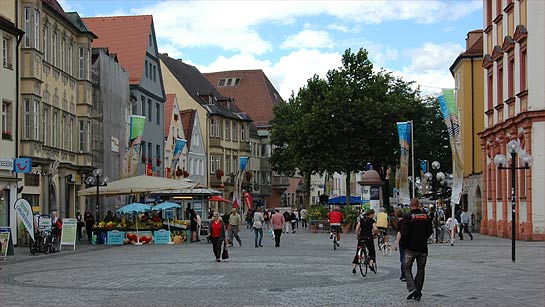
Maximilianstrasse is where "everything" happens, and "everything" is not much.
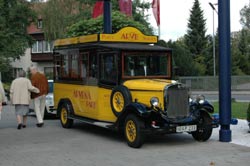
The congress hotel Arvena Kongress has its own veteran bus that is shuttling between the hotel and the Festival House 45 minutes before performance.
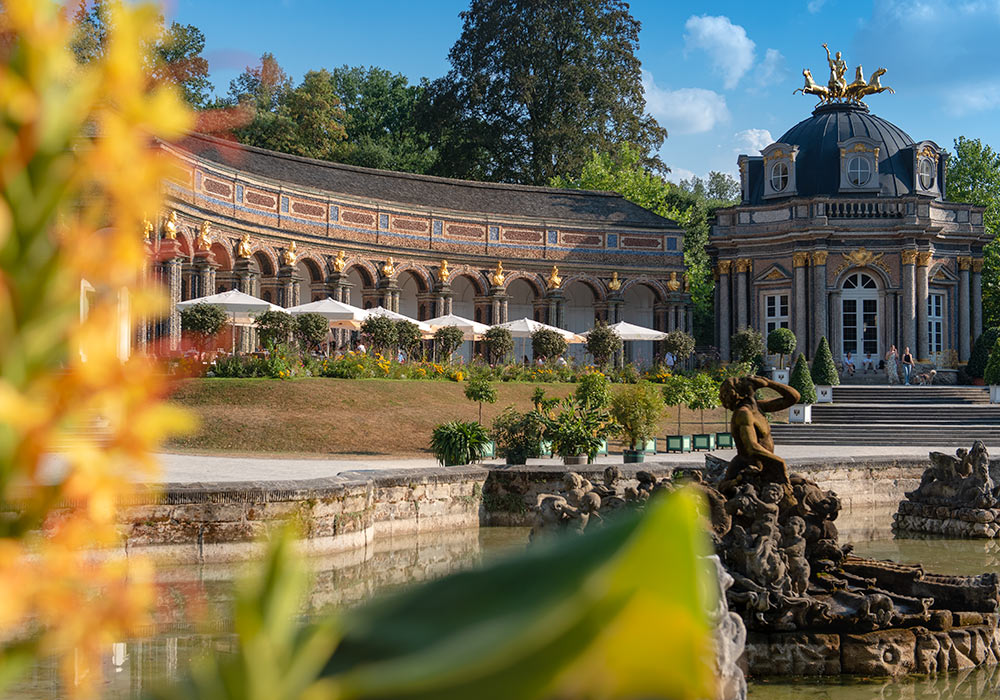
The lovely Eremitage.
Bayreuth Festival leaders
Katharina Wagner (2015-)
Katharina Wagner and Eva Wagner-Pasquier (2008-15)
Katharina Wagner (b. 1978) and Eva Wagner-Pasquier (b. 1945) were elected by the Stiftungsrat der Richard-Wagner Festspiele (Wagner Festival Foundation Board) on 1 September 2008.
Wolfgang Wagner (1966–2008)
Wolfgang Wagner (b. 1919)
Although his own conventional productions
have been much criticized, he invited more controversial directors like Götz Friedrich, Patrice Chéreau, Harry Kupfer, Jean-Pierre
Ponnelle.
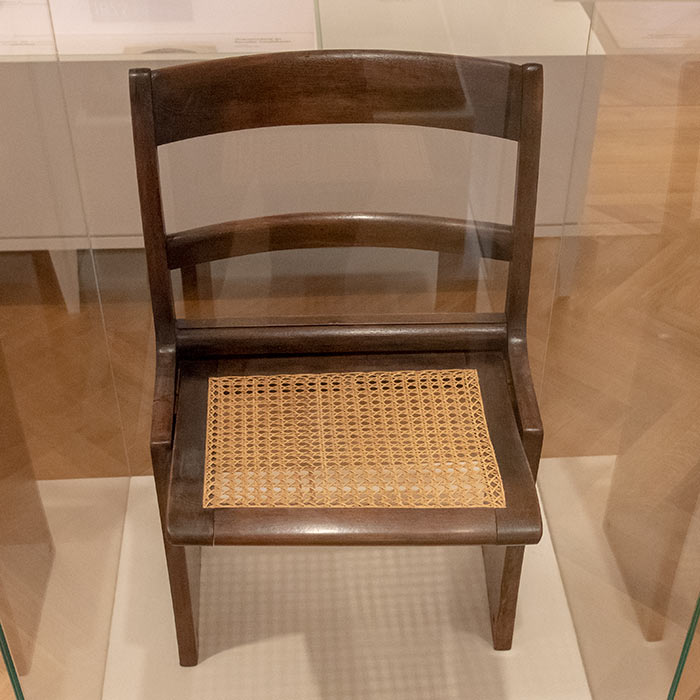
The first chairs at Bayreuth looked like this. (Villa Wahnfried Museum)
Wieland Wagner and Wolfgang Wagner (1951–1966)
Wieland (1917-66) and Wolfgang Wagner (b. 1919)
Winifred Wagner (1931–1944)
Siegfried Wagner's widow, Winifred Wagner (1897–1980), took over as leader in 1931. She was a close friend of Adolf Hitler, and kept referring to him as Unser Seliger Adolf (our blessed Adolf) long after the war.
After the war, Winifred Wagner was forced to pass the leadership on to her sons Wieland and Wolfgang.
A documentary by Hans-Jürgen Syberberg about Bayreuth includes a long and very interesting interview with this fascinating woman.
Siegfried Wagner (1908–1930)
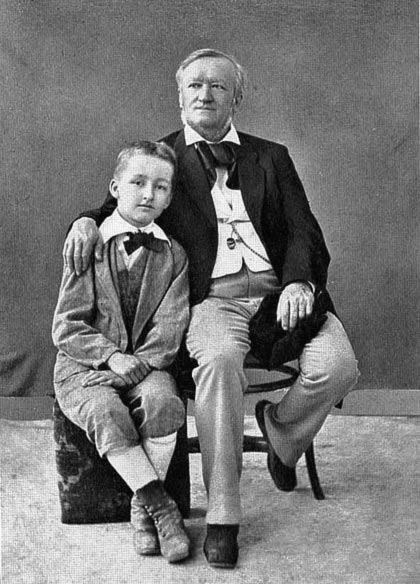
Siegfried Wagner (b. 1869 d. 1930), Richard Wagner's son (with Cosima)
The years 1915 to 1923 saw no festival. Siegfried modernized the festival in the twenties.
Cosima Wagner (1886–1906)
Cosima Wagner (b. 1837 d. 1930) ran the festival as a memorial service to "Der Meister". She was against almost all changes. She arranged 13 festivals during her reign. Cosima decided that the festival should be restricted to Richard Wagner's works.
The second festival Cosima led, in 1884, was a great success.
Richard Wagner (1876 and 1882)
During Richard Wagner's lifetime, only two festivals were arranged, in 1876 (three cycles of Der Ring des Nibelungen) and 1882 (16 performances of Parsifal).
Eduard Hanslick: a major artistic undertaking belongs in a major city
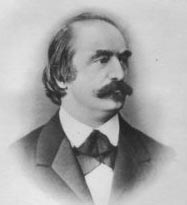
"I
doubt that the enjoyment of art is furthered by being uncomfortably housed
for a week, sleeping badly, eating wretchedly, and after a strenuous five
or six hours’ performance of opera, being uncertain
of
securing a modest snack.
[…]
I only wish to state my increased conviction
that a major artistic undertaking belongs in a major city."
Eduard Hanslick, 14 August 1876
Eduard Hanslick's reviews of the first festivals is reprinted in Bayreuth - the Early Years (ed. by Robert Hartford)
Graham Clark on Bayreuth
"The atmosphere at the Festspielhaus has always been very special. We were grilled hard and often on both music and text and the rehearsals were intense, and that has its own fierce attraction. The audience reaction to performances in Bayreuth is extreme with wild and prolonged applause and cheering and also vociferous booing. Our Meistersinger performances between 1981 and 1987 averaged something like forty-five curtain calls over the seven years I sang David. That is over an hour of curtain calls some evenings. Quite extraordinary.
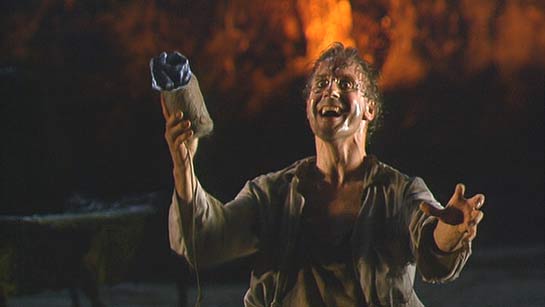
[…] Most importantly, in my early years there all the singers remained at the Festspielhaus throughout the season and we had a really fantastic social life both inside and outside rehearsals and performances. For example, we had many parties and receptions, tennis tournaments and even a Solisten football team that played a team of German internationals including Beckenbauer and was recorded on TV.
[…] You must remember that all the season’s operas are performed at the same time at Bayreuth, unlike, for example, Salzburg where the operas are spread out over a long period. Consequently, we see and meet all our colleagues who are in all the other operas on a daily basis, talk about our experiences and watch all the main rehearsals. It is a vibrant atmosphere. Clearly, the standard of performances is exceptional too – controversial sometimes, yes, but always enthralling. The orchestra and chorus are par excellence year in year out and a wonder to hear and watch. The acoustics, the stagings and the demands of such high profile performances are a magnet for anyone interested in theatre. I loved my time there, I really did, and have so many wonderful memories. It certainly wasn’t easy at times and I was stretched to the limit, but it was hugely rewarding."
From Wagneropera.net's interview with Graham Clark, Graham Clark: I simply switched hobbies
Hans Hotter on Bayreuth
Hans Hotter on the importance of Bayreuth in his career:
"It was the main point of interest when one was being interviewed by press
or radio or television, and of great importance for other engagements."
Hans Hotter quoted in his biography Hans
Hotter - Man and Artist by Penelope
Turing
Hans Hotter's debut in Bayreuth came in 1952 as Kurwenal in Wieland Wagner's production of Tristan und Isolde. He also sang Wotan (Die Walküre and Siegfried, but not Das Rheingold).
Penelope Turing on Bayreuth and the post-war Bayreuth style called "New Bayreuth"
"From the earliest days of its festivals, to sing or conduct at
Bayreuth was to receive the accolade of greatness in the Wagnerian field.
Glance through the programmes of the past and one finds a galaxy of famous
names. They all considered it the highest honour they could win and came,
in the old days, for very low fees. Artistically and professionally the
Bayreuth hallmark ensured engagements wherever an operahouse aspired to
the best, and with that came big money.
Penelope Turing: "Hans
Hotter - Man and Artist" p 120
New Bayreuth: Penelope Turing on Post-War Bayreuth Productions
"Naturally
the influence of this style is seen most strongly in productions of Richard
Wagner's own works, or reactions to them. Any operahouse putting on a
new production of one of the operas is judged, acclaimed or condemned,
according to its apparent conformity to the Bayreuth conception. Occasionally,
depending on the personal taste of the observer, they may be praised for
being unlike Bayreuth, but it remains the universal yardstick."
Penelope
Turing: New Bayreuth (Introduction)
Penelope Turing is the author of "New Bayreuth" and "Hans Hotter - Man and Artist" (biography) . She has been covering the Bayreuth Festival for British magazines and newspapers since 1952.
The prompter at the Bayreuth Festival
The prompter and Parsifal as a boy. Photo: Enrico Nawrath
Andrew Shore: A basic difference between the UK and Europe
"There is a basic difference between the UK and Europe because in general at home we try not to use a prompt box at all. The feeling is that if the piece is rehearsed properly and everyone knows what they are doing then there should be absolutely no need for one; the conductor in the pit will take as much interest in his singers as in his orchestra. That is different in Europe where traditionally the conductor is primarily concerned with the orchestra and so the prompter is needed partly to conduct and give singers a clear beat where necessary - as prompters have a monitor showing the conductor - as well as just giving singers the first couple of words of every line.
It is partly because in the German and Italian repertory system there might be a long gap between performances and some singers may have just one odd performance with no rehearsal at all. In that situation it is a very good safeguard against forgetting the words. When I first started rehearsing here, having the prompter kept putting me off because I thought someone was talking to me in rehearsals and I kept looking to see who it was. To be honest it’s a very useful aid because there are always those moments when you think ‘What do I sing next?’ and just to hear even the first word can act as a trigger to help you remember."
Andrew Shore to Jim Pritchard
Iréne Theorin: Prompters hold a particularly important position at Bayreuth
"Prompters hold a particularly important position at Bayreuth. The conductor trusts the prompter to give cues. They concentrate more on the orchestra and don’t always give cues. It does vary, though, from conductor to conductor. But they do trust that the prompter will give cues.
There are places, however, where prompters aren’t used, but I don’t really like it. When I debuted as Isolde in Brussels, we didn’t have any prompter.
An important responsibility for the prompter is to be there when things go wrong. If there’s a cue where you rely on a clarinetist or a horn player and they fluff it, then everything goes wrong. And that places a greater responsibility on the conductor and the other performers. You can also trip on stage or lose track, or whatever. The other performers can also lose track. Anything can happen.
Actually, it was said of a colleague of the old school that he never learned the roles, but trusted entirely in the prompter. I witnessed this and was very impressed by the singer’s collaboration with the prompter. But you really can’t work in such a way today.
During the Tristan performances yesterday, the prompter made a major mistake. They, too, can make mistakes. During my first entry in the second act, the prompter probably wasn’t concentrating, for when I was due to begin singing, she gave a hand signal that I shouldn’t start. The result was that I missed my cue. You trust that they know what they are doing. So, I started in the middle of the phrase."
Iréne Theorin interviewed by Per-Erik Skramstad
Christoph Marthaler: Tristan und Isolde (Bayreuth Festival) on DVD and Blu-ray
Waltraud Meier and Edo De Waart on Bayreuth
From "A Conversation with Edo de Waart and Waltraud Meier" on The Boston Wagner Society's Homepage
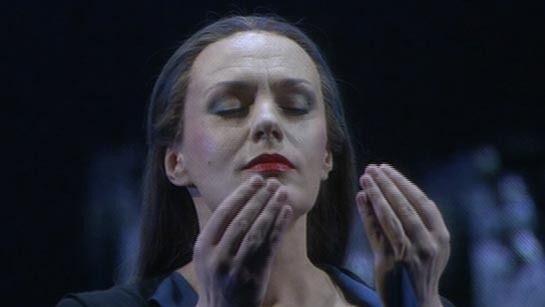
Waltraud Meier as Isolde in Heiner Müllers production at Bayreuth.
Waltraud Meier: [Bayreuth operated] on the idea that the opera is a work in progress. I was at Bayreuth for 17 seasons, until 2000. They repeat productions for five to seven years and try to keep the same cast. [In this way] the director has a chance to change things in the following year, which can’t be done in opera houses with the repertoire system. The Chereau Ring was different in its first year from its last year. In Bayreuth the sound builds up, goes first to the stage, then mixes with the voices, and then goes to the audience. This is what makes it special. The audience is not distracted by anything.
Edo De Waart: The problem with the orchestra there is that it makes a lot of noise, making it impossible to hear the singers. It’s mind-bogglingly impossible [to conduct].
Waltraud Meier: The orchestra is very loud. At first I gave it all I had, but I was screaming. Everywhere else you have to be a little bit ahead of the beat, but in Bayreuth you can sing at the same time [as the beat].
Read the whole conversation here
René Kollo on Bayreuth (Das Opernglas, 1995)
Bayreuth hatte unter Wieland Wagner eine völlig eigene Wagner-sicht. Heute
findet allerdings der ganze Blödsinn des Jahres - von Frau Berghaus und
Herrn Neuenfels - im Sommer noch einmal statt. Dann mit Herrn
Müller. Bayreuth ist vom Sender, der neue Impulse in die Welt
gab, zum Empfänger geworden
[…]
Leider können die jungen Leute seine [Wieland Wagners] unglaubliche Inszenierungen
nicht mehr mit dem heutigen Irrsinn vergleichen. Es ist ja so furchtbar
beim Theater, dass all diese tollen Dinge nach kurzer Zeit wieder Weg sind.
Wieland hat mit einfachsten Mitteln, mit Licht und Personenregie etwas
geschaffen, von dem man dachte: "Das kann doch einfach nicht wahr sein."
René Kollo in interview with Das Opernglas 7-8/1995
Sir Adrian Boult (1889–1983)
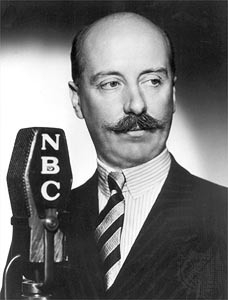
"Bayreuth next day offered a sorry contrast: by 1912 the efforts to keep everything ’as the Master had left it’ were wearing themselves out; the theatre was dusty (curtains included), props shoddy, mise-en-scène prehistoric, the chorus sang woefully out of tune, but the orchestra, and many soloists were magnificent."
Bayreuth singers who started as member of the chorus
Many Bayreuth and non-Bayreuth singers actually started their Bayreuth career in the famous Bayreuth chorus. Here are some of the names you might recognize.
Stig Fogh Andersen
Stig Fogh Andersen later became one of his generations best Siegmunds and Siegfrieds. Late in his career he is also directing.
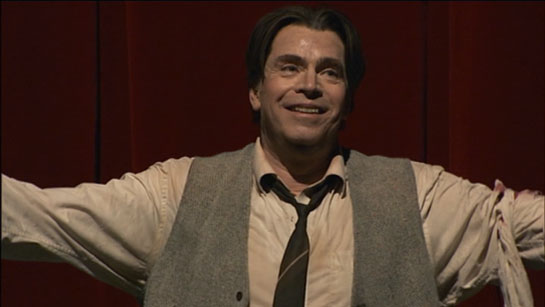
Hannelore Bode
Hannelore Bode later sang Elsa (Lohengrin), Eva (Die Meistersinger von Nürnberg), Sieglinde (Die Walküre) in Bayreuth.
Johan Botha
Johan Botha has later developed into one of the worlds finest Heldentenors, singing Erik, Walther, Parsifal, Lohengrin and Siegmund (in Bayreuth, 2010).
To Opera Magazine Botha says: "I joined Bayreuth for the 1990 season and did Parsifal, Meistersinger, Lohengrin, Tannhäuser—but I really fell in love with Tannhäuser because the choruses are so fantastic."
Katie Clarke
Katie Clarke later sang Helmwige (Die Walküre) and 3. Norn (Götterdämmerung).
Franz Crass
Franz Crass later sang König Heinrich (Lohengrin), Holländer (Der fliegende Holländer), Biterolf (Tannhäuser), Fasolt (Das Rheingold), Gurnemanz (Parsifal) and König Marke (Tristan und Isolde).
Hanns-Hanno Daum
Hanns-Hanno Daum later sang Steuermann (Tristan und Isolde) and 3. Knappe (Parsifal).
Hebe Dijkstra
Hebe Dijkstra later sang Rossweise (Die Walküre). Hebe Dijkstra also sang the role of Mary in Der fliegende Holländer at Bayreuth (with conductors Giuseppe Sinopoli and Peter Schneider).
Gerd Feldhoff
Gerd Feldhoff later sang Kurwenal (Tristan und Isolde) and Amfortas (Parsifal).
Ingrid Haubold
Ingrid Haubold later sang Ortlinde (Die Walküre).
Silvia Herman
Silvia Herman later sang Wellgunde (Die Walküre) and Waltraute (Die Walküre).
Volker Horn
Volker Horn later sang Junger Hirt (Tannhäuser), 1. Ritter (Parsifal) and 1. Edle (Lohengrin)
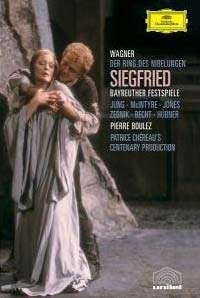
Manfred Jung
Manfred Jung later sang Siegfried (Siegfried and Götterdämmerung) in the famous Boulez Ring, Parsifal and Siegfried in the Peter Hall / Georg Solti Ring. Jung actually startet his Bayreuth career as a lighting technician!
Hitori Katagiri
Hitori Katagiri later sang Schwertleite (Die Walküre) and Altsolo (Parsifal).
Ilse Köhler
Ilse Köhler later sang Flosshilde (Das Rheingold) and Grimgerde (Die Walküre).
Marita Napier
Marita Napier later sang Helmwige (Die Walküre), 3. Norn (Götterdämmerung), Sieglinde (Die Walküre) and Eva (Die Meistersinger von Nürnberg).
Harald Neukirch
Harald Neukirch later sang 4. Knappe, Ulrich Eisslinger (Die Meistersinger von Nürnberg), 1. Edler and 3. Knappe (Parsifal).
Ulrich Ress
Ulrich Ress later sang David (Die Meistersinger von Nürnberg, 1988).
Ursula Rhein
Ursula Rhein later sang Ortlinde (Die Walküre) and Wellgunde (Die Walküre).
Joy Robinson
Joy Robinson later sang Junger Hirt (Tannhäuser, 1989)
Hildegard Schünemann
Hildegard Schünemann later appeared as one of the Blumenmädchen (Parsifal).
Martin Snell
Martin Snell was a member of the Bayreuth chorus 1992-94. Later he sang Hermann Ortel (Meistersinger), 4. Edle (Lohengrin), Steuermann (Tristan)
Liane Synek
Liane Synek later sang Helmwige (Die Walküre), Senta (Der fliegende Holländer) and 3. Norn (Götterdämmerung).
Bayreuth Festival: Kartenbüro - Ticket Office - Bureau de location